Rounding Rally: Round Numbers to the Nearest Ten and Hundred to Win the Race
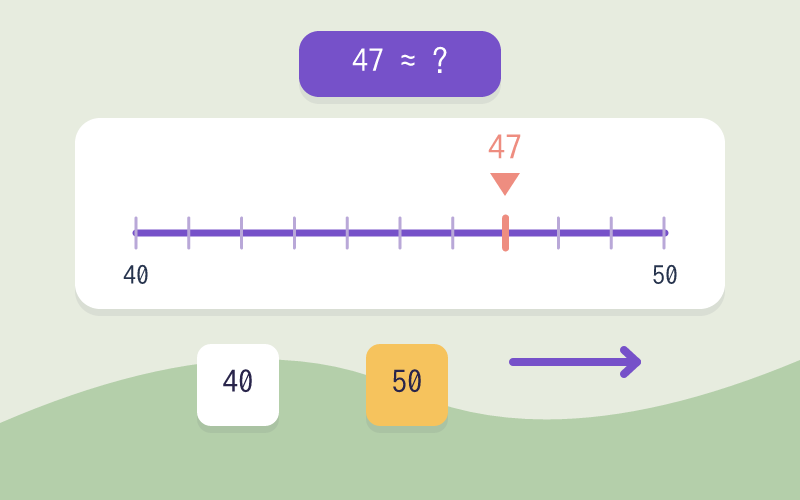
Steer through the lanes by rounding each number to the target place, then hit the gas. Every lap trains you to read place value fast and decide when a digit rounds up or stays.
The Deciding Digit Is the One You're Not Rounding
Most racers freeze because they stare at the place they're rounding to instead of the digit just to its right—that neighbor is what actually settles the outcome. Rounding Rally puts each number on a track sign and asks you to pick the lane for the rounded value before the clock runs down. Because you commit to a lane and instantly watch your car surge or stall, the abstract rule 'five or more rounds up' turns into a physical choice with a visible consequence. Rounding 348 to the nearest hundred, you learn to check the 4 in the tens place, not the 3 you're keeping. Speed rewards spotting that deciding digit at a glance instead of counting it out.
How Rounding Grows from Third Grade Through Fifth
Third graders round to the nearest 10 and 100 (3.NBT.A.1), the exact skill this game drills lap after lap. Fourth grade extends it to any place in multi-digit numbers (4.NBT.A.3), and fifth grade carries the same 'look right, then decide' logic into rounding decimals (5.NBT.A.4). Sharper rounding also speeds up estimation and mental-math checks, so students can sanity-check sums and products before trusting an answer.
Learning Points
- visual modeling
- step checking
- units and quantity
- applied reasoning
Steps and completion rules
- Read the requested place value; it changes between questions.
- Identify the neighboring multiples of that place and decide which is closer.
- Select an answer and finish all five questions, then compare how the requested place changed each decision.
Teacher / Parent Note
Compare 347 → 350 with 4.67 → 4.7 and ask which digit is being retained in each case.